 11
11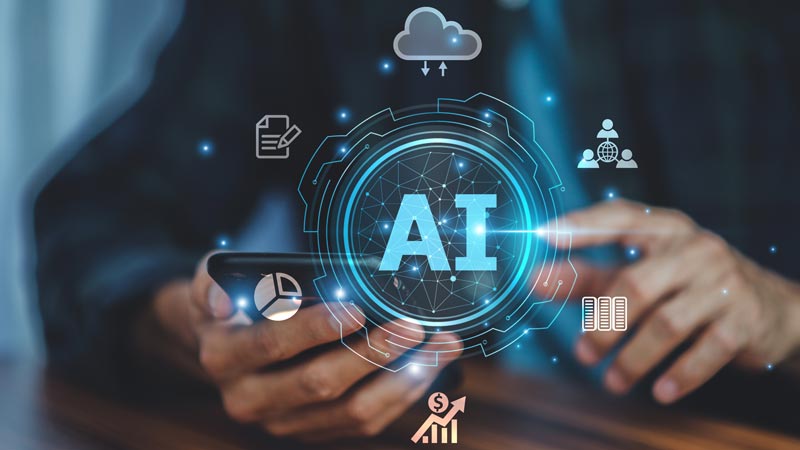
Digital clones are AI-powered versions of real individuals that replicate voice, personality, and behavior using advanced machine learning models and data inputs. These clones are rapidly transforming personal branding worldwide.
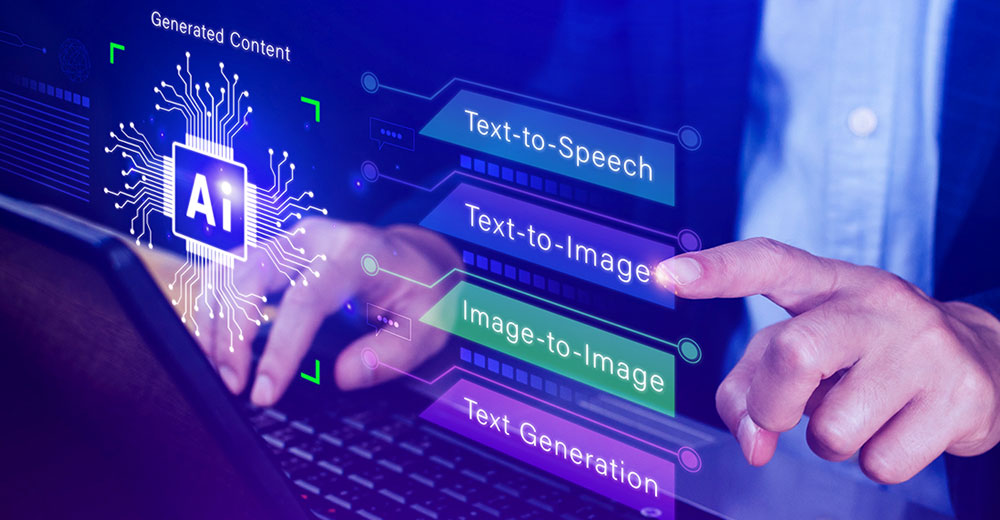
With the evolution of artificial intelligence, people can now create digital versions of themselves that interact, respond, and even produce content. These clones are designed to simulate human communication effectively.
The concept of digital cloning is not limited to celebrities anymore. Entrepreneurs, influencers, educators, and professionals are leveraging AI to scale their presence without physically being present everywhere simultaneously.
This technological shift is opening new doors for monetization, allowing individuals to generate income through automated interactions, personalized experiences, and scalable content creation using their digital identities.
Creating a digital clone involves training AI systems using personal data such as voice recordings, videos, written content, and behavioral patterns. This data helps replicate an individual’s communication style accurately.
Advanced tools use natural language processing and deep learning to analyze tone, vocabulary, and emotional cues. These technologies enable digital clones to engage in meaningful and realistic conversations with audiences.
Voice cloning technology allows AI to mimic speech patterns, accents, and pitch. Meanwhile, avatar-based systems replicate facial expressions and gestures, making digital clones appear more lifelike and interactive.
As AI tools become more accessible, individuals no longer need extensive technical knowledge. User-friendly platforms now allow creators to build their own digital clones with minimal effort and investment.
Digital clones offer multiple income streams, including subscription-based interactions, personalized video messages, and automated customer support services. These opportunities allow individuals to monetize their time efficiently.
Influencers are using AI clones to respond to fan messages, provide exclusive content, and engage audiences 24/7. This constant availability increases fan satisfaction and creates additional revenue channels.
Professionals such as coaches, consultants, and educators are using clones to deliver training sessions, answer queries, and provide guidance, enabling them to serve a larger audience without burnout.
Brands are also collaborating with digital clones for marketing campaigns, reducing the need for repeated content production while maintaining a consistent brand voice across different platforms.
Digital clones are revolutionizing personal branding by allowing individuals to scale their presence globally. They enable consistent communication, ensuring audiences receive timely and personalized responses.
By automating interactions, individuals can focus on strategic growth while their AI clones handle routine tasks. This improves productivity and enhances brand perception among followers and clients.
Clones also help maintain a consistent tone and messaging across platforms. This consistency strengthens brand identity and builds trust with audiences who expect reliability and professionalism.
Additionally, digital clones provide valuable insights through data analytics, helping individuals understand audience preferences and refine their branding strategies for better engagement and growth.
Despite their advantages, digital clones raise ethical concerns regarding privacy, consent, and misuse. Unauthorized cloning or manipulation of someone’s identity can lead to serious legal and reputational issues.
There is also the challenge of transparency. Audiences may not always know whether they are interacting with a real person or an AI clone, which can create trust issues if not disclosed properly.
Data security is another major concern. Since digital clones rely on personal data, protecting this information from breaches and misuse is essential to ensure user safety and trust.
Furthermore, the potential for deepfakes and misinformation increases with advanced cloning technologies. Responsible use and proper regulations are necessary to prevent harmful consequences.
The future of digital cloning looks promising as AI continues to evolve. More realistic clones with improved emotional intelligence and contextual understanding are expected to emerge in the coming years.
Integration with virtual reality and augmented reality will create immersive experiences where digital clones can interact in virtual environments, enhancing user engagement and expanding use cases.
Businesses may adopt digital clones for customer service, training, and marketing, reducing operational costs while improving efficiency and personalization in customer interactions.
As regulations develop, ethical standards will shape how digital clones are used. This balance between innovation and responsibility will determine the long-term impact of AI-driven personal replication.
Digital clones are redefining how individuals interact, create content, and generate income. They provide a scalable solution for managing digital presence in an increasingly connected world.
While the opportunities are vast, it is essential to address ethical concerns and ensure responsible usage. Transparency, consent, and data protection must remain priorities in this evolving landscape.
As technology advances, digital clones will become more accessible and sophisticated, allowing more people to benefit from their capabilities and explore new ways of monetization.
Ultimately, those who adapt early to this trend can gain a competitive advantage, leveraging AI to expand their reach, enhance engagement, and unlock innovative revenue streams.