 11
11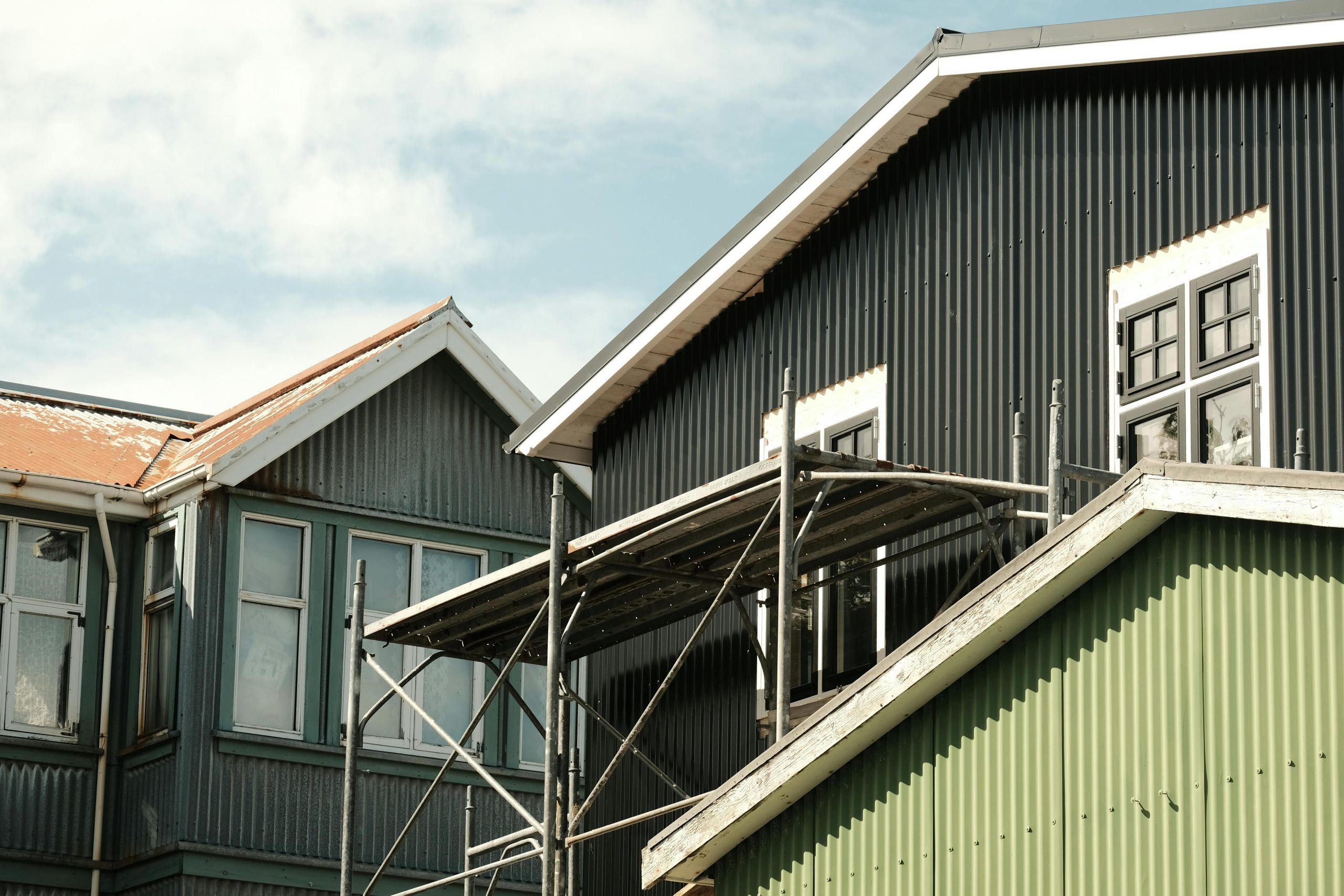
For many, installing metal over shingles makes sense because it reduces the amount of waste produced, adds strength to the roof, and saves money. Total costs in the United States can be anywhere from $7-$14 per square foot, depending on factors such as metal type, roof dimensions, labour, and extra layers.
Metal roofing works well over shingles when your old roof is strong, flat, and free from damage. This method can also save money and give your home a modern, clean appearance. Always check local building regulations for permits before starting roof work, as some areas allow metal roofing over a single shingle layer, while others require removing all shingles.
Inspect the roof deck to identify any soft spots or areas damaged by water, mold, or sagging. Repair all broken shingles before installing the new roof. Also, check gutters and flashing to ensure proper water flow.
Metal roofing materials come in many forms, and each type offers its own strength, appearance, and lifespan, which makes choosing the right one an important step before installation begins. Aluminium metal roofs are lightweight and resist rust very well, which makes them suitable for coastal areas where moisture and salt air are present. Copper roofing offers a unique and elegant look that changes colour over time, and it lasts for many decades, but it often costs more than other metal options. Zinc roofing provides natural corrosion resistance and long life, and it develops a protective surface layer that helps the roof stay strong in harsh weather.
Homeowners most commonly use steel panels coated with protective paint or special finishes because they deliver long-lasting performance at a reasonable price while resisting rust, fire, and wind damage. Manufacturers offer these panels in many colors and finishes, allowing them to complement different home styles without sacrificing durability. The protective coating also reduces fading and surface wear caused by sunlight and rain over time.
Correct roof measurement helps avoid waste, extra cost, and work delays, and this step includes measuring roof length, width, slope, valleys, ridges, and edges.
Builders often rely on services such as an accurate construction quantity takeoff to list every panel, fastener, underlayment sheet, trim piece, and flashing item in detail, which helps control cost, reduce errors, and support a smooth workflow from start to finish.
Accurate measuring also helps order the correct panel length so fewer cuts are needed, which improves roof strength and visual appeal.
Underlayment protects roof decks from heat, friction, and moisture. For metal roofing, installers recommend synthetic underlayment because it resists heat and tears better than felt and provides a flat surface over old shingles without wrinkles. When heavy rain is expected, roofers overlap the underlayment seams and extend it beyond the roof edge to ensure water drains safely into gutters.
Roofers also call purlins furring strips, and they play a crucial role when installing metal roofing over shingles. They create a strong, flat, and level surface over the old roof, especially when shingles have become uneven or slightly raised from age and weather. Builders usually make these wooden strips from treated lumber, so they resist moisture and last longer under the metal panels.
The purlins are installed directly over the existing shingles and fastened into the roof rafters or trusses below, which gives solid support for the metal roofing panels and helps keep the entire roof system stable during strong winds and heavy rain. For contractors and homeowners, using roof estimates in USA can ensure the correct materials and spacing are calculated accurately. Depending on the metal panel design and manufacturer’s instructions, purlins may be laid horizontally or vertically, and proper spacing between each strip is very important to support the panels evenly across the roof.
Drip edge installation is very important for roof protection. It guides rainwater away from wooden roof edges and safely into the gutter system. This reduces the risk of water soaking into the roof deck and causing long-term damage such as rot, swelling, or mold.
The metal edge piece installs along the roof eaves and rakes. It creates a clean path for water during heavy rain, strong winds, or melting snow. This helps keep the roof structure dry and strong for many years.
Roofers also install flashing around areas where the roof meets other structures. These include vents, chimneys, skylights, side walls, and valleys. These points face the highest risk of water entry if not sealed correctly.
Metal roofing panel installation should always begin at the bottom edge of the roof and move upward toward the ridge, because this direction supports natural water flow and prevents rain from pushing under the panels during storms.
Place every metal panel squarely and straight. Align them carefully from the start to prevent uneven lines, wide gaps, and visual inconsistencies across the roof.
Fasteners should go into the correct locations as directed by the panel manufacturer, and spacing must remain even so the panels stay secure without bending or pulling during wind pressure.
Trimming pieces can be added to the corners and edges of roof panels after they have been installed. This will help seal up any gaps and give it a better look.
Ridge caps provide a roof peak cover that allows for hot air discharge when used in conjunction with ridge vents. Vent boots or pipe flashings should be used to completely cover all the openings in order for rainwater to stay out of your home during storms.
Installing the roof requires completing a final inspection of all components to ensure workers fasten, align, and flatten everything correctly. To prevent damage and injury, remove all loose metal screws, packaging, and other debris from the roof. Doing this allows you to verify the roofing quality and prepares the home for long-term use.
Installing metal roofing over shingles is a smart and practical solution. It saves landfill space, reduces labor, and removes the need for a full tear-off. This lowers the total project cost and supports cleaner construction practices. Metal roofs give homeowners peace of mind. They resist heavy rain, strong winds, high heat, and fire. This makes them reliable for areas with changing weather. With proper care, routine inspections, and timely cleaning, metal roofing lasts for many years. It requires fewer repairs than many traditional roofing materials. Overall, it is a long-term investment that adds value to the home.
This method is only safe to use if the roof structure and local regulations are strong enough.
If you maintain your metal roof properly, it can often last for up to forty years.
Metal roofing can reduce the cost of cooling during summer because it is reflective and promotes better airflow.