 11
11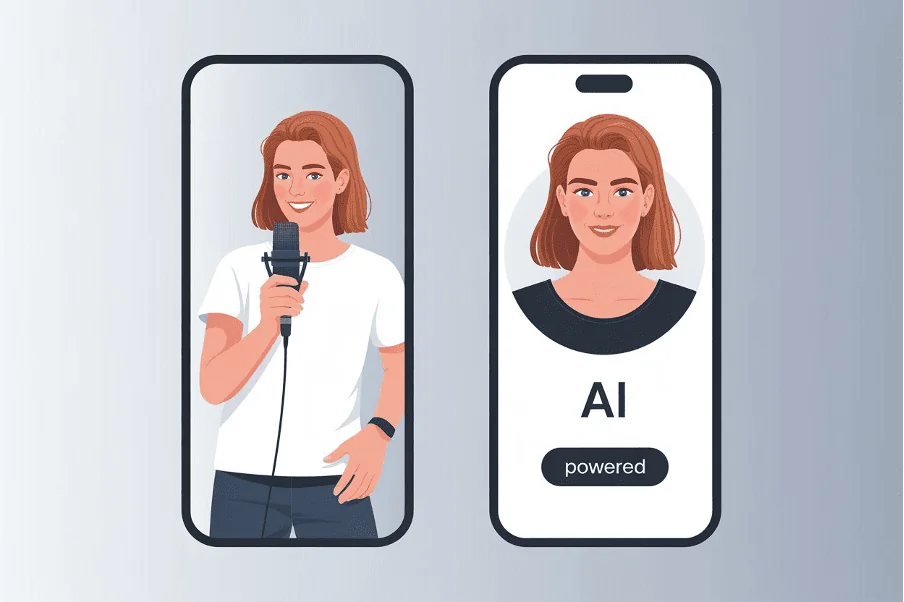
Artificial intelligence has rapidly transformed the content creation landscape, giving rise to AI influencers who can produce consistent, high-quality content without human limitations. These digital personalities are designed to appeal to audiences through precision and data-driven strategies.
Brands are increasingly investing in AI influencers because they offer scalability and cost efficiency. Unlike human creators, AI personalities do not require breaks, contracts, or unpredictable behavior management, making them reliable marketing assets.
Another major advantage of AI influencers is their ability to adapt instantly. They can analyze audience preferences in real time and adjust tone, style, and messaging to maximize engagement and relevance.
Despite these advantages, AI influencers still face skepticism from audiences who value authenticity. While technology has improved realism, some users remain cautious about emotionally connecting with non-human personalities.
Human creators continue to dominate the emotional side of content creation. Their real-life experiences, imperfections, and relatability create deeper connections that AI still struggles to replicate fully in 2026.
Audiences often trust human influencers more because they perceive them as genuine and transparent. This trust translates into stronger brand loyalty and higher engagement rates in many niches.
Creativity is another strong advantage for human creators. While AI can generate content based on data, humans bring originality, cultural understanding, and storytelling depth that resonates on a personal level.
However, human creators face challenges such as burnout, inconsistency, and scalability issues. Managing content production, brand deals, and audience expectations can limit their ability to compete with AI efficiency.
Engagement remains a key factor in determining who is winning between AI influencers and human creators. Human creators often achieve higher emotional engagement due to their relatability and real-life presence.
AI influencers, on the other hand, excel in consistent engagement metrics. Their ability to post regularly and optimize content using analytics helps maintain steady interaction levels across platforms.
Trust plays a critical role in this comparison. While AI influencers can simulate authenticity, audiences are becoming more aware of synthetic content, which can affect credibility in certain cases.
In 2026, the gap is narrowing as AI becomes more sophisticated. Hybrid strategies combining human authenticity with AI efficiency are emerging as the most effective approach for maximizing engagement.
One of the biggest advantages of AI influencers is cost efficiency. Brands can deploy a single AI personality across multiple campaigns without recurring expenses associated with human creators.
Scalability is another area where AI clearly leads. AI influencers can create unlimited content across various platforms simultaneously, making them ideal for global marketing strategies.
Human creators, while valuable, require time, effort, and compensation for each collaboration. This makes scaling campaigns with multiple influencers more expensive and complex.
Despite this, many brands still allocate budgets to human creators because their impact on audience trust and conversion rates often justifies the higher costs involved.
The debate around creativity is central to the AI versus human discussion. AI can generate visually appealing and technically accurate content, often optimized for performance and trends.
Human creators, however, bring emotional storytelling and unique perspectives that AI struggles to replicate fully. Their content often feels more organic and culturally relevant.
AI is improving rapidly in creative fields, including writing, video production, and design. In 2026, it can mimic human styles with impressive accuracy, blurring the line between machine and human creativity.
Still, many audiences can detect subtle differences, and this perception influences their preferences. Authenticity and originality remain strong advantages for human creators in creative storytelling.
Brands are increasingly adopting a mixed approach, combining AI influencers and human creators to maximize results. This strategy allows them to balance efficiency with authenticity.
AI influencers are often used for repetitive campaigns, product demonstrations, and global outreach. Their consistency and adaptability make them ideal for structured marketing strategies.
Human creators are preferred for storytelling, personal endorsements, and niche audiences. Their ability to connect emotionally makes them valuable for building brand trust and loyalty.
In 2026, the most successful campaigns are those that integrate both approaches effectively. This hybrid model leverages the strengths of each while minimizing their weaknesses.
The future of content creation is not about one replacing the other but about coexistence. AI influencers will continue to grow due to technological advancements and cost advantages.
Human creators will remain relevant because of their authenticity, emotional depth, and cultural understanding. These qualities are difficult for AI to replicate completely.
As technology evolves, the line between AI and human content will become increasingly blurred. Audiences may interact with content without always knowing its origin.
Ultimately, the winner in 2026 is not a single side but the combination of both. Brands and creators who embrace collaboration between AI and human creativity will lead the digital landscape.