 11
11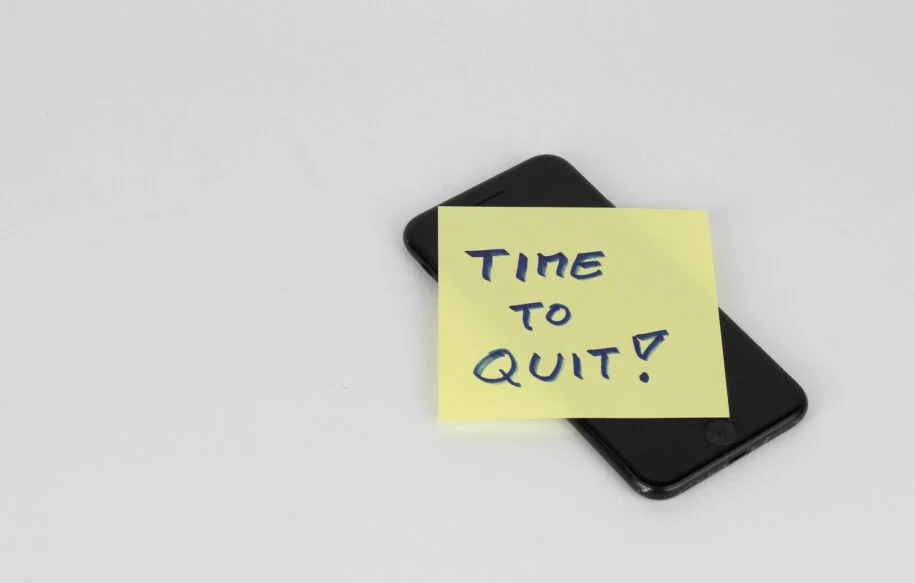
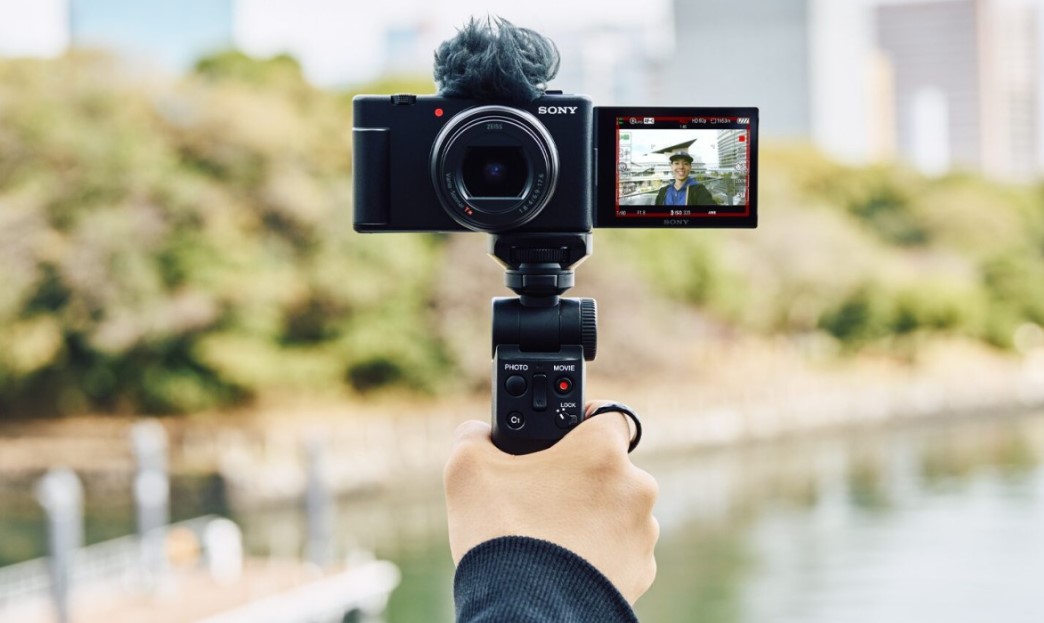
Creator Burnout 2.0 describes the modern exhaustion digital creators face due to constant content production and online visibility. Unlike traditional work fatigue, it merges mental strain and social pressures.
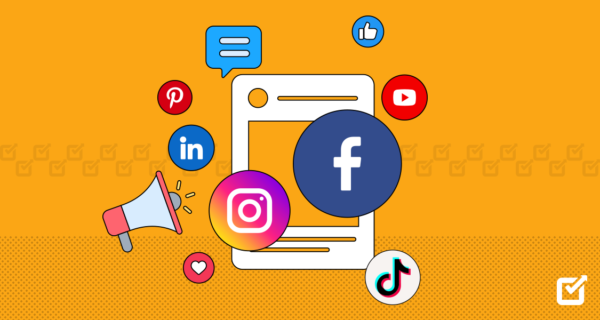
Social media platforms reward frequency and virality, pressuring creators to produce content non-stop. The fear of falling behind can amplify stress, leading to emotional and creative depletion.
Many creators now report feeling trapped by algorithms that dictate engagement. Even successful influencers experience guilt and anxiety, making digital creation feel more like labor than expression.
This burnout is compounded by public scrutiny, negative comments, and online harassment. The mental load of maintaining a public persona creates chronic tension, impacting both professional and personal life.
Creators feel the expectation to remain constantly active on social media, responding to trends and engaging audiences at all hours. This leads to emotional and physical exhaustion.
Notifications, messages, and algorithm updates create a perpetual state of alertness. Over time, this hyper-awareness affects sleep, focus, and emotional well-being, reducing the joy of content creation.
Being always online also erodes boundaries between work and life. Personal time shrinks as creators monitor engagement metrics, viewer comments, and platform performance, heightening stress and burnout symptoms.
This pressure forces creators into a cycle of overwork. The desire to maintain relevance often outweighs health, leaving many to contemplate quitting social media entirely to preserve mental health.
Digital creators often face anxiety, depression, and self-doubt due to the visibility and scrutiny of their work. Online metrics heavily influence self-esteem and personal satisfaction.
Comparisons with peers exacerbate mental health struggles. Social media highlights only successes, creating unrealistic standards that leave creators feeling inadequate or undervalued, even when achieving milestones.
The repetitive cycle of creating, posting, and analyzing feedback creates emotional fatigue. Constantly seeking validation through likes, shares, and comments can leave creators mentally drained and creatively blocked.
Many turn to therapy or digital detoxes to manage symptoms. These strategies are critical for long-term sustainability, yet they highlight the growing need for systemic changes within online platforms.
Social media algorithms reward engagement, often favoring quantity over quality. Creators feel compelled to produce viral content rather than focus on meaningful projects they enjoy.
Algorithmic unpredictability intensifies stress. Posts that perform poorly despite effort create discouragement, anxiety, and a sense of futility, which can lead to quitting platforms altogether.
Creators often adapt their personal expression to fit algorithmic trends, compromising authenticity. This misalignment between creativity and platform expectations accelerates burnout and reduces intrinsic motivation to continue producing content.
Some platforms provide tools for analytics and monetization, but they can worsen pressure. The pursuit of algorithmic success often takes priority over personal well-being, contributing to a growing mental health crisis.
While some creators earn substantial revenue, income is often unstable and unpredictable. Sponsorships, ads, and platform payouts fluctuate, adding financial anxiety to mental strain.
Many creators rely entirely on social media for livelihood. The fear of decreased engagement or demonetization creates a constant sense of insecurity and urgency to produce content continuously.
Monetization schemes can alter creative freedom, forcing creators to prioritize revenue over passion. This compromises artistic satisfaction and accelerates exhaustion, leaving creators questioning the sustainability of their careers.
Financial stress compounds the mental and physical demands of constant content creation. For some, stepping away becomes a necessary decision to protect both health and long-term creative potential.
Creators face relentless scrutiny from audiences, peers, and critics online. Negative comments, cancel culture, and harassment significantly contribute to stress and emotional fatigue.
Even constructive feedback can be overwhelming when amplified by millions of followers. Creators often internalize criticism, questioning personal and professional decisions, which accelerates the risk of burnout.
The need to manage reputation adds constant pressure. Balancing authenticity with public perception can feel like walking a tightrope, straining mental resilience and creativity.
Some creators attempt to shield themselves through moderation tools, yet exposure to criticism remains unavoidable. The emotional toll is a significant reason many opt to quit social media.
To combat burnout, creators are experimenting with digital detoxes, reducing online hours, and limiting platform exposure. These practices restore mental clarity and creative energy.
Scheduled breaks allow creators to reconnect with offline life, hobbies, and relationships. This separation helps maintain emotional health and reduces dependency on social media validation.
Therapy, mindfulness practices, and peer support networks also provide coping mechanisms. These tools foster resilience, helping creators navigate pressures without sacrificing mental well-being.
While helpful, these strategies are temporary solutions. Many argue that platforms must implement structural changes to reduce chronic stress, emphasizing sustainability over engagement metrics.
Creator Burnout 2.0 signals the need for systemic reform in social media. Platforms may need to prioritize mental health alongside growth metrics.
Innovations in platform design could reduce pressure by limiting metrics exposure, encouraging offline engagement, and promoting healthier creator habits.
Creators themselves are advocating for community awareness around burnout, sharing experiences to normalize mental health conversations in the digital space.
Long-term sustainability will depend on balancing creativity, well-being, and audience engagement. Without systemic change, social media risks losing talented creators to exhaustion and disillusionment.