 11
11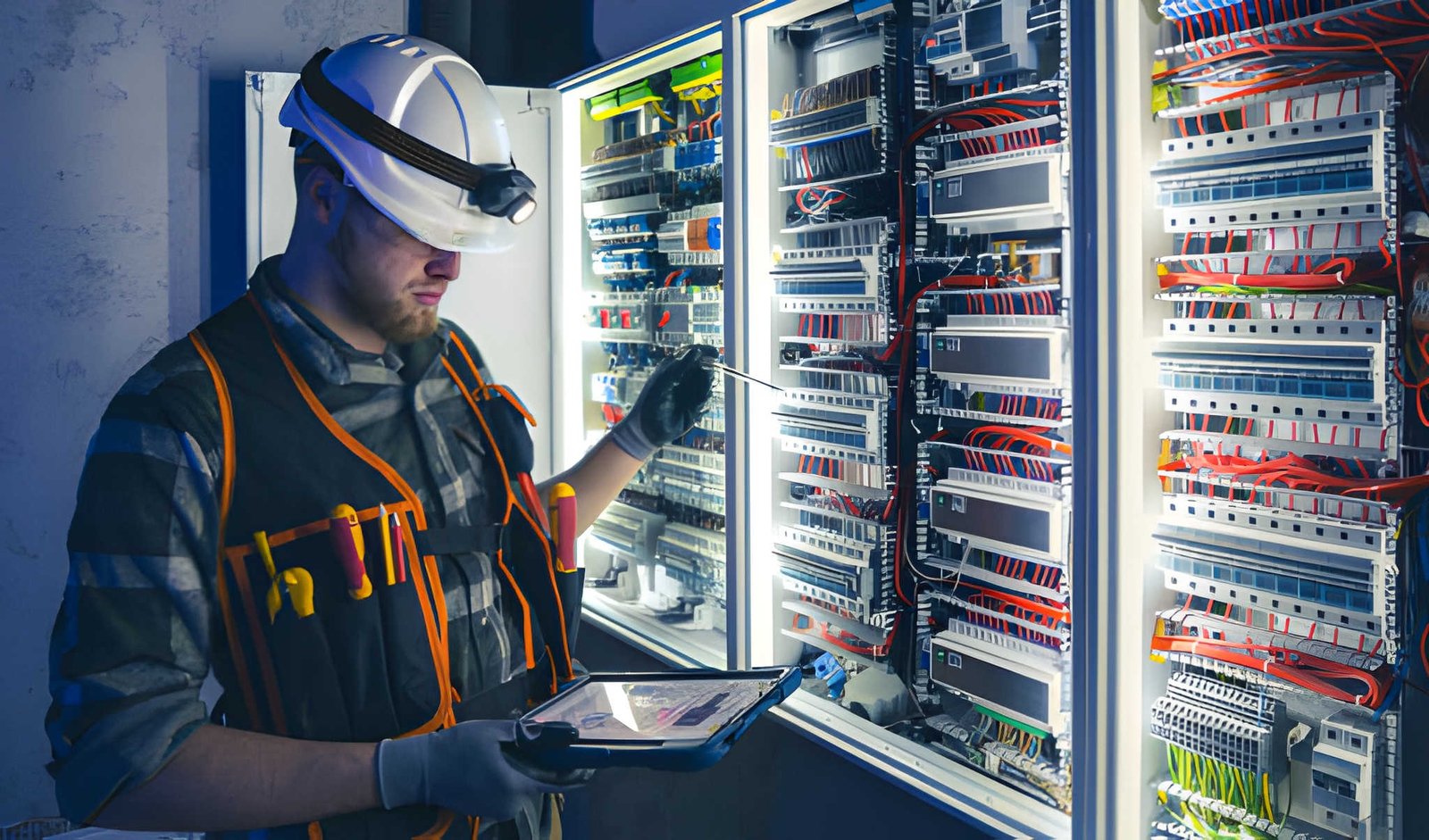
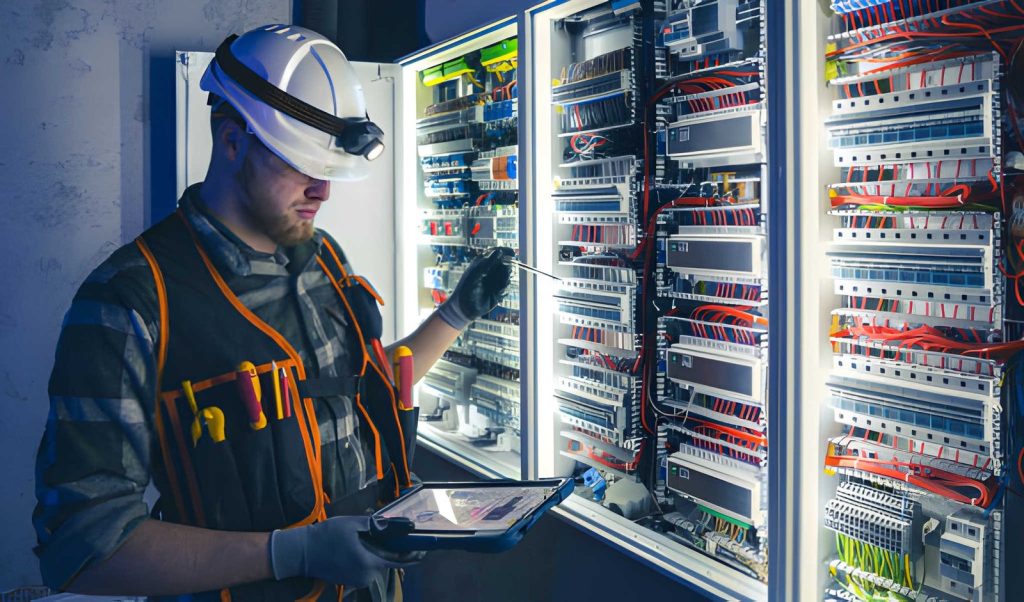
Electrical engineering services Data centres are among the most electrically intensive and technically demanding buildings in the world. The global data centre industry consumes approximately 200 terawatt-hours of electricity per year, and the UK has one of the highest concentrations of data centre capacity in Europe. The electrical engineering solutions required to support this infrastructure must deliver exceptional levels of reliability, efficiency, and scalability.
The most critical electrical requirement for any data centre is resilience. Downtime in a data centre can cost hundreds of thousands of pounds per hour, damage reputation, and in some cases breach contractual service level agreements. Electrical engineering consultants design data centre power systems to the Uptime Institute’s Tier classification system, which defines four levels of resilience from Tier I (basic, no redundancy) to Tier IV (fault tolerant, fully concurrent maintainability).
The primary power path in a data centre typically runs from a high-voltage supply through an on-site substation, through a main distribution board, through static UPS systems, to power distribution units (PDUs) at the rack level. Each stage includes redundancy in higher-tier facilities, with multiple transformers, UPS modules in N+1 or 2N configurations, and dual-feed PDUs serving dual power supply units in servers.
Power Usage Effectiveness (PUE) is the primary metric used to measure the energy efficiency of a data centre. PUE is calculated as the ratio of total facility power to IT equipment power. A PUE of 1.0 would represent perfect efficiency, while legacy data centres may have PUE values of 2.0 or higher. Modern hyperscale data centres typically achieve PUE values below 1.2. Electrical engineering consultants play a key role in designing systems that minimise PUE.
Generator backup is essential for data centre resilience. Diesel generators provide emergency power in the event of a sustained utility outage, bridging the gap between UPS discharge and restoration of mains supply. Electrical engineering consultants design generator systems for data centres with particular attention to fuel storage, cooling, exhaust systems, synchronisation, and automatic transfer switching, ensuring seamless transition during a power event.
| Uptime Institute Tier | Redundancy Level | Annual Downtime (max) | Typical Application |
| Tier I | N (no redundancy) | 28.8 hours | Small business server rooms |
| Tier II | N+1 (some redundancy) | 22 hours | SME data centres |
| Tier III | N+1 (concurrent maintainable) | 1.6 hours | Enterprise data centres |
| Tier IV | 2N (fault tolerant) | 0.4 hours | Financial, critical national infrastructure |
When it comes to reliable, compliant, and future-ready electrical solutions, Almens Consult stands head and shoulders above the rest. With a team of highly qualified electrical engineers, consultants, and project managers, Almens Consult delivers end-to-end electrical engineering services that are tailored to your unique business needs. From power design and energy audits to full compliance management and smart system integration, every project is executed with precision, transparency, and a commitment to long-term results. Whether you are a small business looking to optimise your energy usage or a large corporation planning a complex infrastructure rollout, Almens Consult brings the expertise, tools, and dedication to make your project a success. Trusted by clients across the UK and Ghana, Almens Consult is the partner you need for safe, scalable, and efficient electrical engineering solutions.
What is PUE?
Power Usage Effectiveness (PUE) is a metric that measures how efficiently a data centre uses energy. A PUE of 1.0 is perfect efficiency. The global average PUE is approximately 1.58, but modern facilities can achieve 1.1 to 1.2.
What is a UPS system in a data centre?
An Uninterruptible Power Supply (UPS) system provides seamless backup power during utility outages, protecting IT equipment from momentary interruptions and power quality issues. Data centres typically use static double-conversion UPS systems.
How much power does a typical data centre consume?
Power consumption varies enormously by size and tier. A small enterprise data centre may consume 100kW to 1MW, while a hyperscale facility operated by a major cloud provider may consume 100MW or more.
What is hot aisle/cold aisle containment?
Hot aisle/cold aisle containment is a data centre cooling strategy that separates hot exhaust air from cool supply air, preventing mixing and improving cooling efficiency. Electrical engineering consultants design the power and control systems that support this strategy.
Does Almens Consult provide data centre electrical engineering?
Yes. Almens Consult has the capability to design and manage electrical systems for data centres of various scales, from SME server rooms to enterprise facilities, ensuring appropriate resilience, efficiency, and compliance.