 11
11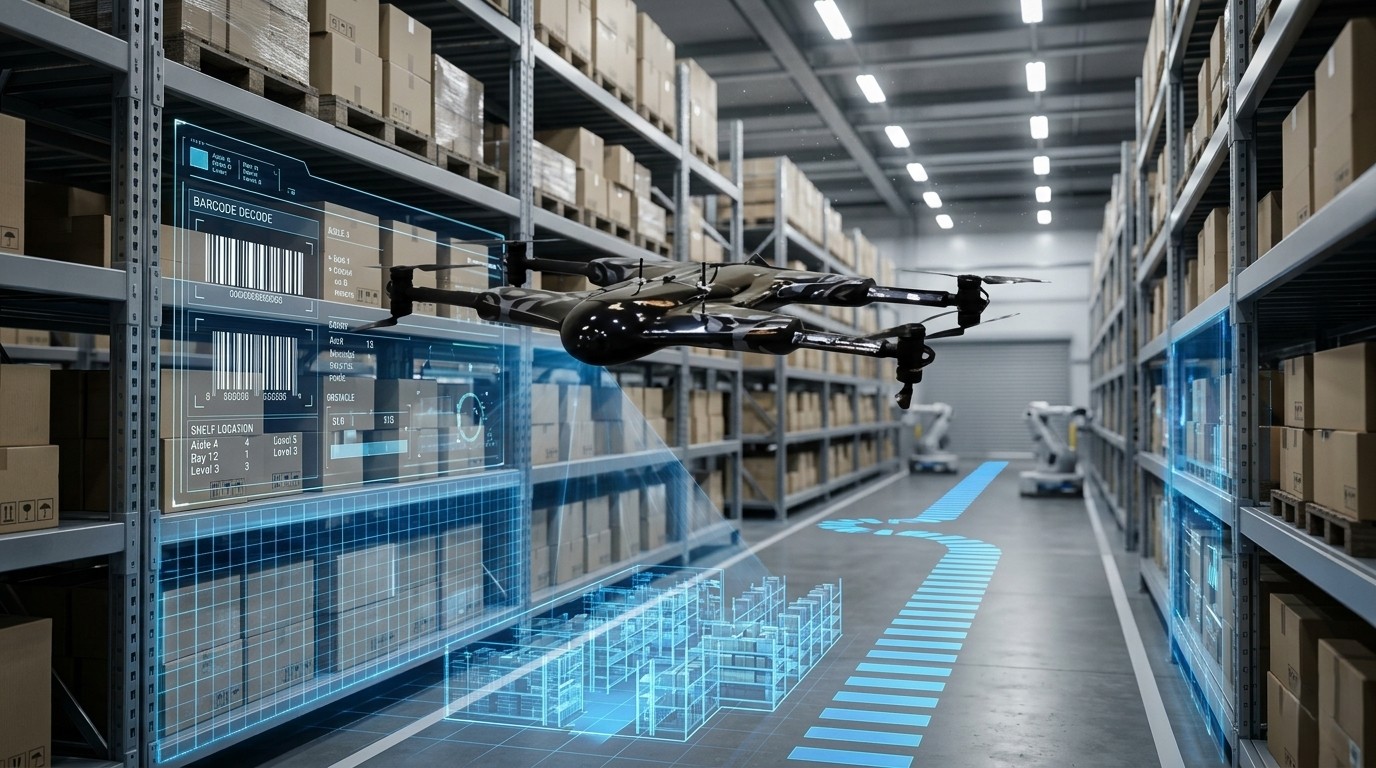
Modern industries are under increasing pressure to improve operational efficiency, reduce downtime, and enhance workplace safety. Traditional inspection methods often require workers to access hazardous environments, climb structures, or manually inspect large facilities. At the same time, warehouses and manufacturing plants must manage inventory with greater accuracy while minimizing labor-intensive processes.
This is where the Mini Indoor Drone has emerged as a powerful solution. These compact aerial systems are transforming how businesses perform inspections, monitor inventory, enhance security, and automate routine tasks within enclosed environments.
Unlike conventional outdoor drones that rely heavily on GPS, indoor drones are specifically engineered to navigate complex indoor spaces using advanced sensors, cameras, and autonomous flight technologies. From warehouses and factories to power plants and commercial buildings, indoor drones are helping organizations gather critical data faster, safer, and more accurately than ever before.
The adoption of indoor drone systems is accelerating across multiple industries due to several factors:
Organizations are realizing that indoor drones can perform repetitive and potentially dangerous tasks while collecting highly accurate visual and operational data. As a result, businesses are investing in drone-based solutions that improve productivity while reducing operational costs.
A Mini Indoor Drone is a compact unmanned aerial vehicle designed specifically for enclosed environments. These drones are lightweight, highly maneuverable, and equipped with technologies that allow them to fly safely in areas where GPS signals are unavailable. Common features include:
Because of their small size, they can access locations that are difficult or unsafe for human workers to reach.
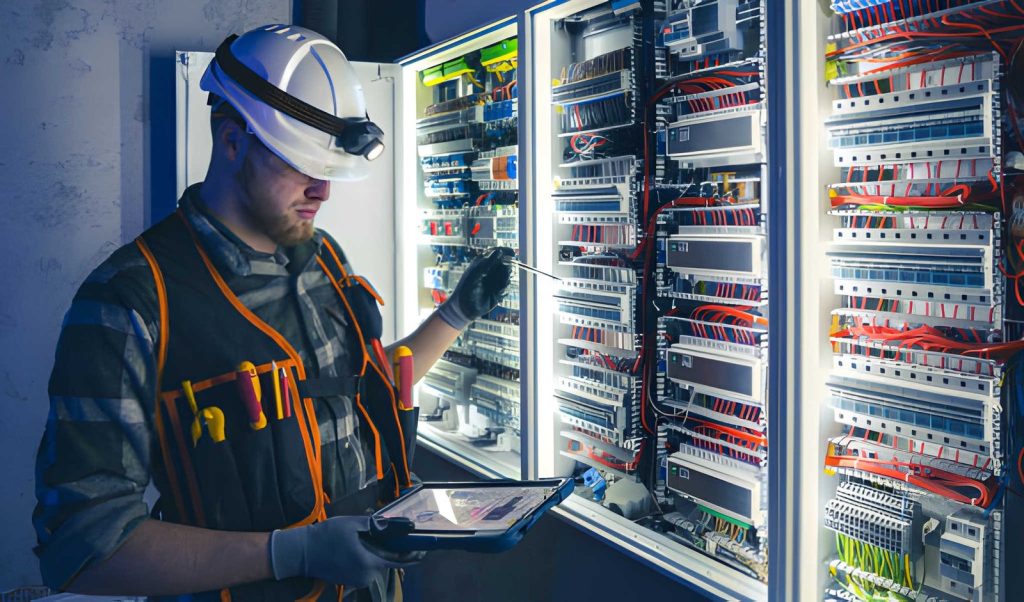
One of the most valuable applications of Indoor Drone Inspection is reducing worker exposure to hazardous environments. Industries frequently require inspections of:
Traditionally, these inspections require scaffolding, lifts, confined-space entry permits, or shutdowns. Indoor drones significantly reduce these requirements by capturing detailed imagery remotely.
For example, a manufacturing facility can deploy a drone to inspect overhead piping systems without stopping production or exposing workers to fall risks.
An Indoor Drone with Camera can capture high-resolution images and video in minutes rather than hours. Benefits include:
Maintenance teams can quickly identify structural defects, leaks, corrosion, or equipment wear before they become costly failures.
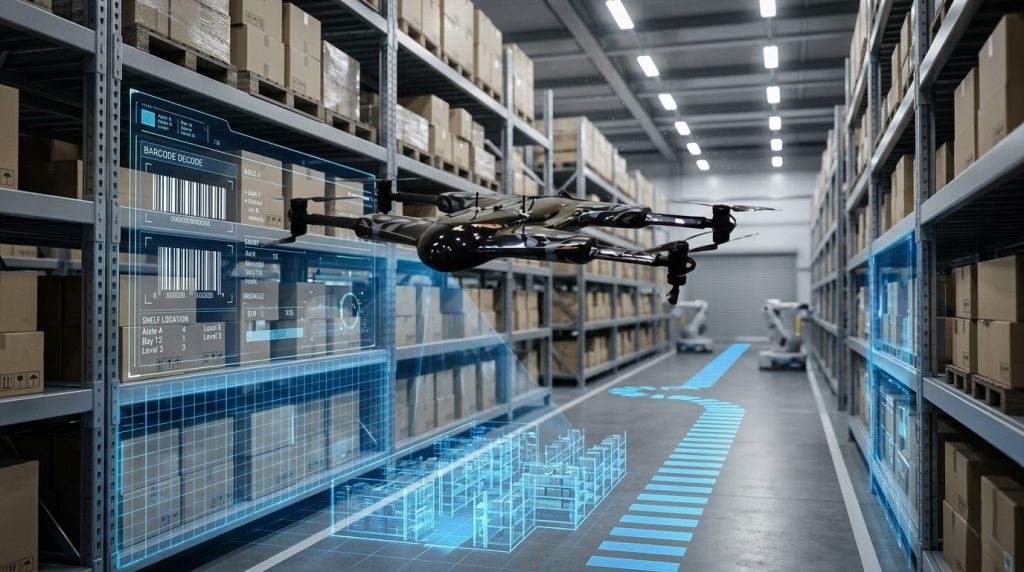
Warehouses are becoming increasingly automated, and Warehouse Drone Technology is playing a major role in this transformation. Modern distribution centers often contain thousands of inventory locations spread across large facilities. Manual inventory counts can be labor-intensive and prone to errors. Indoor drones help automate:
By flying through aisles and scanning inventory data, drones provide real-time visibility into stock levels while reducing labor costs.
Inventory inaccuracies can lead to:
A Mini Indoor Drone equipped with advanced imaging systems can rapidly verify inventory locations and identify discrepancies. Warehouse managers gain access to:
This creates a more efficient and responsive supply chain.
Security teams are increasingly using indoor drones as mobile surveillance tools. Unlike fixed cameras, drones can patrol large indoor facilities and provide dynamic monitoring from multiple viewpoints. Applications include:
An Indoor Drone with Camera can quickly investigate alarms or suspicious activities while transmitting live video feeds to security personnel.
Indoor drones can provide valuable situational awareness during emergencies. Examples include:
Instead of sending personnel directly into potentially dangerous environments, organizations can deploy drones to assess conditions first.
One of the most effective drone platforms for indoor operations is the Indoor FPV Drone. FPV (First-Person View) technology allows operators to view the drone’s live camera feed in real time, creating an immersive flying experience. This capability is particularly useful when navigating:
The pilot can maneuver precisely through challenging environments while maintaining visual awareness.
Indoor FPV drones provide close-up views of assets and infrastructure that may be difficult to inspect using traditional methods. Benefits include:
This makes FPV systems especially valuable for engineering, maintenance, and inspection teams.
The newest generation of drones includes the Indoor Autonomous Drone, capable of operating with minimal human intervention. These systems use advanced technologies such as:
Instead of requiring a pilot for every mission, autonomous drones can execute pre-programmed tasks and return valuable operational data automatically.
In warehouse environments, autonomous drones can:
This allows organizations to maintain accurate inventory records without disrupting daily operations.
Flying indoors presents unique challenges that outdoor drones do not typically face. Common obstacles include:
These factors require specialized navigation technologies.
Manufacturers have developed sophisticated solutions to address these challenges. Key technologies include:
LiDAR sensors create highly accurate 3D maps of indoor environments, enabling precise navigation.
Cameras continuously analyze surroundings to determine location and movement.
Advanced sensors detect walls, shelves, equipment, and personnel in real time.
Intelligent software allows drones to maintain stable flight while adapting to changing environments.
Together, these innovations make indoor drone operations safer and more reliable.
Manufacturers use indoor drones to inspect:
These inspections reduce downtime and improve maintenance planning.
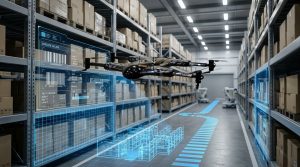
Large distribution facilities deploy drones for:
This improves operational efficiency while reducing labor requirements.
Utility operators use Indoor Drone Inspection systems to evaluate:
The result is improved safety and faster inspections.
Building managers use drones to monitor:
These capabilities support proactive maintenance and facility management.
For organizations evaluating deployment options, a comprehensive indoor drone guide can help identify the best platform, sensors, and operational workflows for specific business requirements.
The future of indoor drone technology will be driven by increased autonomy and deeper integration with industrial systems. Emerging developments include:
As these technologies mature, drones will become an even more critical component of industrial automation strategies.
The Mini Indoor Drone has evolved from a niche inspection tool into a powerful platform for industrial automation, facility management, inventory monitoring, and security operations. Businesses across manufacturing, logistics, energy, and commercial sectors are leveraging indoor drones to improve safety, reduce costs, and increase operational visibility.
Whether used for Indoor Drone Inspection, warehouse inventory management, security patrols, or autonomous monitoring, these systems are delivering measurable business value. The combination of compact design, advanced navigation capabilities, and intelligent automation is making indoor drones an essential technology for modern industrial operations.
As Warehouse Drone Technology, Indoor FPV Drone systems, and Indoor Autonomous Drone platforms continue to advance, organizations that adopt these solutions early will be better positioned to achieve greater efficiency, safety, and competitive advantage.
A Mini Indoor Drone is a compact unmanned aerial vehicle designed to operate safely within enclosed environments such as warehouses, factories, offices, and industrial facilities. It uses sensors, cameras, and indoor navigation technologies instead of GPS.
An Indoor FPV Drone provides real-time first-person video feeds, allowing operators to navigate confined spaces with precision and inspect hard-to-reach areas more effectively.
Industries such as manufacturing, logistics, utilities, energy, commercial real estate, and warehousing benefit significantly from Indoor Drone Inspection due to improved safety and faster data collection.
Warehouse Drone Technology automates inventory counting, barcode scanning, shelf inspections, and stock verification, resulting in greater accuracy and reduced labor costs.
An Indoor Autonomous Drone can perform missions with minimal human input using technologies such as LiDAR, SLAM, obstacle avoidance, and autonomous route planning.
Yes. Many indoor drones are equipped with advanced cameras, thermal imaging systems, and specialized sensors that allow them to operate effectively in low-light or challenging indoor conditions.
Modern indoor drones include obstacle avoidance systems, protective frames, autonomous navigation capabilities, and safety protocols that help ensure safe operation around personnel and equipment.