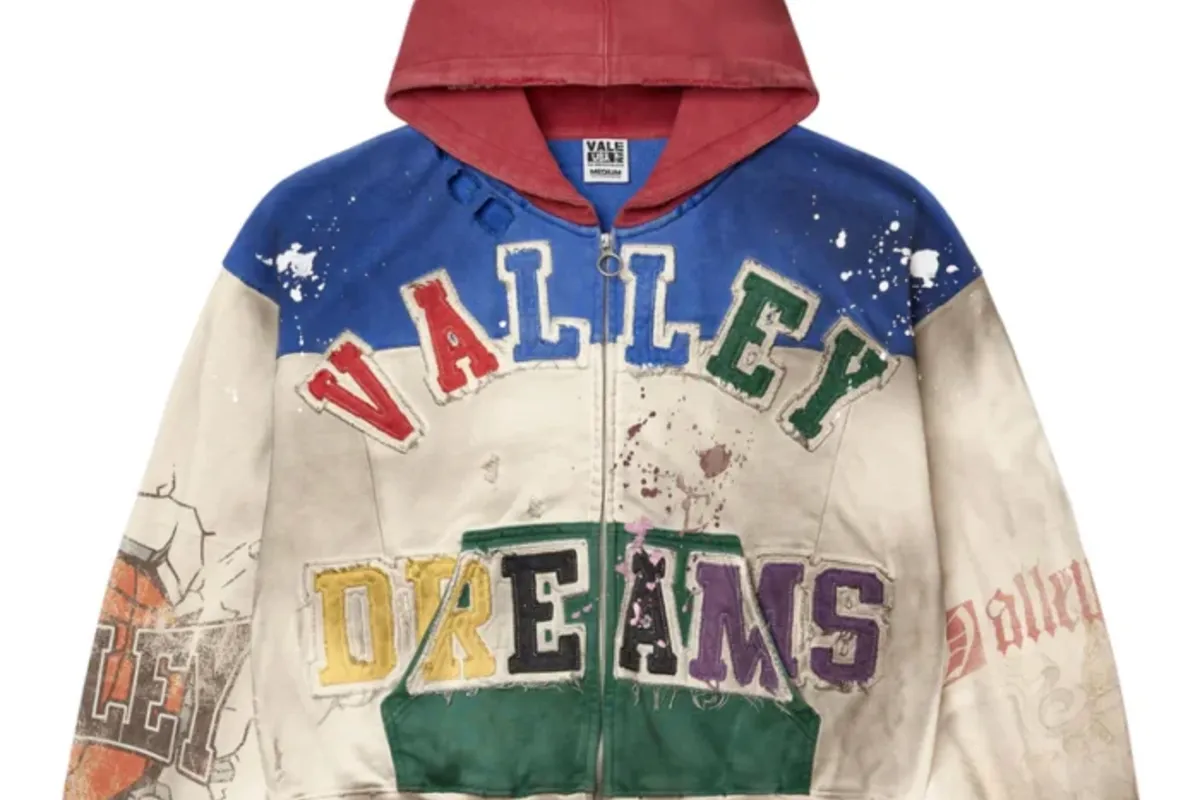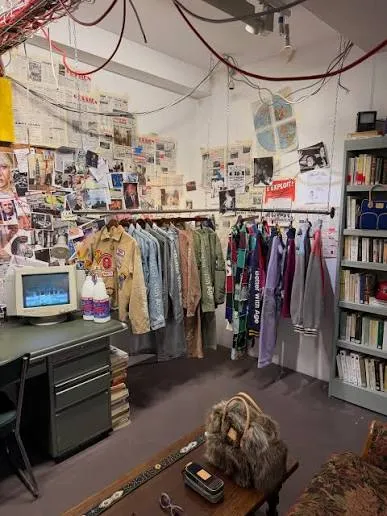
Streetwear has become one of the most recognizable forms of modern fashion, but its influence goes far beyond casual clothing. The style has developed through a mixture of music, art, youth culture, creativity, and everyday life. Today, people increasingly want clothes that are comfortable while also reflecting their personality. This has created opportunities for independent fashion labels that have a clear identity and a story behind their designs. Peace In War enters this changing landscape with a concept that combines contemporary street style with a message that encourages individuality and personal interpretation.
Clothing has always been a way for people to communicate without saying a word. The colors someone chooses, the silhouettes they prefer, and the graphics they wear can all reveal something about their personality. Streetwear has made this form of self-expression even more visible. Instead of dressing only according to formal fashion rules, people can build outfits around their interests and personal experiences. This is one reason independent streetwear labels continue to attract attention. They can create pieces that feel less generic and more connected to the communities they want to reach.
The name Peace In War brings together two contrasting concepts. Peace suggests harmony, hope, calm, and balance, while war can represent struggle, conflict, pressure, or difficult circumstances. Placing these ideas together creates a thought-provoking identity. It suggests that even when circumstances are challenging, individuals can search for their own sense of balance. The meaning does not have to be limited to one interpretation. Different people can connect with the phrase based on their own experiences, making the concept relevant beyond a single fashion trend.
The modern fashion market is filled with choices. Consumers can discover new labels through online stores, social platforms, creators, and digital communities within seconds. Because there are so many options, a memorable identity can make a significant difference. A strong brand is not simply defined by its products. Its name, design language, photography, communication, packaging, and overall presentation can work together to create recognition. Peaceinwar has a concept that can support this type of identity because the name itself communicates an idea before a customer even sees a product.
Individuality has always been an important part of streetwear culture. The style developed through communities that were willing to challenge conventional ideas about fashion. Over time, this spirit of experimentation spread into mainstream clothing. Modern consumers continue to use streetwear to create looks that feel personal rather than overly formal or predictable. They may combine different textures, oversized silhouettes, graphic pieces, sneakers, and accessories to create an appearance that reflects their character. This freedom is one of the reasons the category continues to evolve.
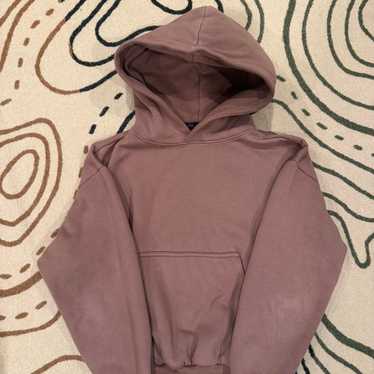
Successful streetwear needs to work in real life. While an interesting graphic can attract attention, customers also want clothing that fits naturally into their existing wardrobe. Versatile pieces can be worn in multiple combinations, giving people greater freedom when creating outfits. A well-designed sweatshirt, T-shirt, or hoodie can become a foundation for different looks throughout the year. This balance between visual identity and everyday usability is particularly important for brands that want to build long-term relationships with customers rather than depend only on short-lived trends.
The idea behind peace in war allows fashion and personal meaning to exist together. Instead of treating a garment as simply another item in a wardrobe, the concept encourages the wearer to consider what the design represents. This does not mean every customer needs to interpret the message in exactly the same way. In fact, the ability to develop a personal connection with a design can make a brand more interesting. When people see their own experiences reflected in a brand's concept, clothing can become a stronger form of self-expression.
Streetwear has always shared a close relationship with creative industries. Musicians, artists, photographers, designers, and other creators have influenced how street fashion looks and feels. This relationship continues today, particularly through digital platforms where creative work can reach audiences around the world. Independent clothing brands can draw inspiration from these communities while developing their own visual language. This creates opportunities for fashion to become part of a wider creative ecosystem rather than existing separately from music, art, and culture.
Digital platforms have changed how people discover clothing brands. A consumer does not necessarily need to visit a physical store or read a traditional fashion magazine to find a new label. A single photograph, video, or recommendation can introduce an independent brand to an entirely new audience. Social media also allows businesses to communicate directly with their customers, share new releases, show creative processes, and receive feedback. For newer streetwear labels, this direct connection can be an important part of building recognition and trust.
The strongest fashion brands often develop communities around shared interests and ideas. Customers may initially discover a brand because they like a particular product, but they can become more connected when they identify with the larger message. A community can grow through conversations, creative content, collaborations, and customer participation. For Peace In War, the contrast between peace and conflict provides a broad concept that can encourage discussion around individuality, resilience, creativity, and finding balance in everyday life.
A strong concept can attract attention, but the customer experience ultimately depends on the product itself. Quality, comfort, construction, fit, and reliable product information all influence how consumers perceive a clothing brand. When the physical product supports the expectations created by the brand's identity, customers are more likely to develop trust. This is particularly important for independent labels because positive customer experiences can contribute to repeat purchases and word-of-mouth recommendations.
Fashion trends can change quickly, but authenticity has a longer lifespan. Consumers are exposed to countless advertisements and promotional messages, making it increasingly difficult for generic branding to stand out. An authentic brand does not need to follow every trend. Instead, it can develop a clear point of view and allow that identity to guide future collections. This approach gives the brand consistency while still leaving room for creativity and evolution.
The future of streetwear is likely to be shaped by independent creativity, digital communities, and consumers who want more personal connections with the brands they support. Large fashion companies will continue to influence the industry, but smaller labels can compete by offering distinctive concepts and more focused identities. Online commerce has also made it easier for niche brands to reach audiences outside their original markets. As this environment develops, originality and consistency will remain valuable qualities.

Discover Peaceinwar’s philosophy: balancing strength and calm through sustainable, ethical fashion designed for mindful living and lasting impact.





Dutables provides reliable educational resources, study materials, academic guides, and learning content to help students and educators succeed.