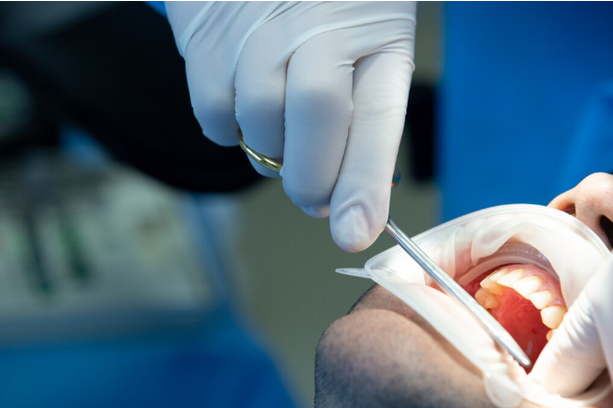
One of the most frequently performed dental treatments is root canal treatment. The purpose of root canal treatment is the preservation of the tooth that has been infected or damaged because of decay or injury. While root canal treatment is considered to be a standard dental procedure, many patients have no idea what root canal treatment actually means. People who have decided to go for root canal treatment in Jaipur need to find out more information concerning root canal treatment.
It is quite easy: the root canal procedure involves removal of the infected or damaged tissue from within the tooth, cleaning of the tooth interior, and its filling and sealing.
The phrase “root canal” has a double meaning and can be applied to the natural cavity within a tooth and to the procedure that takes place in this cavity.
Each tooth consists of the pulp, which includes nerves, blood vessels, and connective tissue. This pulp is essential in the development of the tooth; however, the adult tooth can work properly without the pulp.
If bacteria enter the pulp due to severe decay, cracks, or any injury, the pulp gets inflamed or infected. This condition can be treated by root canal procedure.
Root canal procedure may be required for a tooth in case of severe inflammation or infection of its pulp.
The most frequent causes are:
Bacteria in the tooth
In case of infection of the pulp, it is not always possible to treat the condition with filling only. The infection will continue to spread towards the root and the bone surrounding it.
A root canal can remove the source of infection while keeping the natural tooth in place.
Root canal treatment mainly performs four important tasks:
The first and foremost step involved here is the removal of the pulp within the tooth that is infected, inflamed, or damaged.
Pulp consists of nerves, hence an infected tooth can be quite painful to deal with. After the removal of the pulp, the source of infection and inflammation is eliminated.
Once the pulp is removed, the small canals in the roots are thoroughly cleaned.
This step ensures that bacteria and other infected material is cleared out from within the tooth. In addition, this step also serves to shape the canals in preparation for filling.
The canals must first be completely cleansed and then filled with an appropriate substance and sealed.
The process of sealing serves the purpose of keeping any bacteria out of the canal system that has been cleansed. It increases the chances of the tooth staying healthy for long.
Once the root canal treatment is done, there comes the need for restoration of the tooth.
This can either be in the form of a filling or a crown, depending on the condition of the tooth in question.
Restoration will help restore the tooth's functionality and prevent any other future harm.
Not at all. In performing a root canal, the whole tooth is not extracted.
The root canal procedure involves the extraction of the infected pulp of the tooth without disturbing the tooth’s physical appearance.
This is just one of the biggest benefits of the root canal procedure. Rather than extracting the tooth, the procedure tries to save the tooth.
When the procedure is done right, the affected tooth may function almost as if it is a natural tooth.
Yes, the infected and damaged nerve tissues from inside the tooth are removed in the process of root canal therapy.
It does not imply that the tooth loses its value altogether. The nerves located within a mature tooth serve primarily the purpose of sensing temperature variations. The tooth will retain its primary function of chewing even after removing the pulp from it.
The surrounding tissues stay alive and nourish the tooth.
There are certain steps involved in a normal root canal treatment process.
To begin with, the dentist will examine the tooth, taking an X-ray if necessary. Local anesthesia will be administered in order to numb the area.
An opening will be made in the tooth through which access to the infected pulp will be gained. The pulp will then be removed and the root canals will be cleaned and disinfected.
Then, the root canals will be filled and sealed. The tooth will be finally covered using a suitable filling or crown.
Pain is one of the biggest concerns for patients considering root canal treatment.
Modern dental techniques and local anesthesia make the procedure much more comfortable than many people expect. Most patients do not experience significant pain during treatment.
Some mild soreness or sensitivity may occur after the procedure. This usually improves as the surrounding tissues recover.
If significant or worsening pain continues after treatment, professional dental advice should be sought.
When an infected pulp is left untreated, the infection may continue to spread.
Possible complications include:
In some cases, pain may temporarily decrease because the nerve inside the tooth has died. However, this does not necessarily mean that the infection has gone away.
Timely dental evaluation can help prevent the condition from becoming more serious.
A properly treated and restored tooth can remain functional for many years. In some cases, it can last for decades.
Its lifespan depends on factors such as the quality of the root canal treatment, the amount of remaining tooth structure, the type of restoration, oral hygiene, and chewing habits.
Regular dental check-ups are important because a root canal-treated tooth can still develop decay, cracks, or problems with its restoration.
Good oral hygiene is essential after treatment.
Patients should:
If a crown is recommended, completing the restoration can help protect a weakened tooth from fracture.
However, root canal treatment is not just an operation to provide relief from toothache. Rather, it includes the removal of the infected or damaged tissue inside the tooth, cleaning up the canals, sealing of the tooth, and keeping the natural tooth if possible. Root canal treatment can assist in preventing the infection from spreading, and it can also help to save a tooth from being extracted. While performing root canal treatment, the dentist will remove the nerve and pulp of the tooth; however, it will still work after getting treatment.
Consultation with the Best Dentist in Jaipur can provide you information about your dental problem and whether root canal treatment will suit your condition.
If you experience such symptoms as tooth pain, sensitive teeth, pain while chewing, swelling, and any other infection signs, visit your dentist right away.

This post has been authored and published by one of our premium contributors, who are experts in their fields. They bring high-quality, well-researched content that adds significant value to our platform.











Dutables provides reliable educational resources, study materials, academic guides, and learning content to help students and educators succeed.