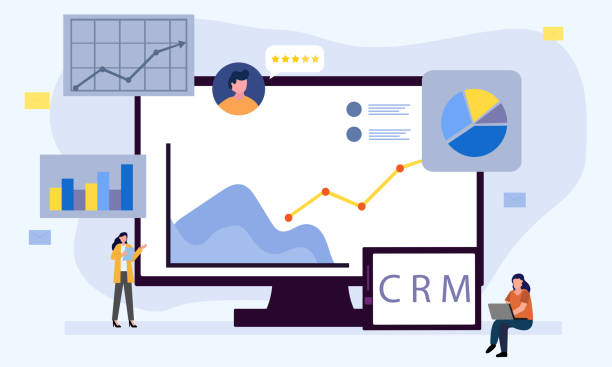
Running a small business requires managing customers, sales, and communication efficiently while keeping expenses under control. A customer relationship management system helps organize customer data without requiring a large budget.
Affordable CRM software has become more powerful over the years, offering features that were once available only in premium enterprise solutions. Small businesses can now access automation, reporting, and customer management at reasonable prices.
Choosing the right CRM depends on business goals, team size, and daily workflows. A well selected platform improves productivity, strengthens customer relationships, and supports long term business growth without increasing operational costs.
This guide explores the best CRM software for small businesses on a budget, highlighting important features, benefits, and practical tips to help you make an informed purchasing decision.
Small businesses often work with limited financial resources, making cost effective software essential. Budget CRM solutions provide valuable customer management tools while allowing companies to invest savings into other business priorities.
A CRM centralizes customer information, making it easier to track conversations, purchases, follow ups, and support requests. Employees spend less time searching for information and more time building customer relationships.
Affordable CRM software also improves collaboration among sales, marketing, and customer support teams. Everyone accesses updated customer records, reducing communication errors and ensuring consistent service across every interaction.
As businesses grow, customer information becomes increasingly difficult to manage using spreadsheets. Budget CRM platforms provide scalable solutions that support expansion without requiring expensive software replacements.
The best budget CRM software should include contact management, allowing businesses to organize customer profiles, communication history, and important documents in one secure location for easy access.
Sales pipeline management helps businesses monitor leads from initial contact to completed sales. Visual dashboards improve visibility into opportunities while helping teams prioritize high value prospects effectively.
Automation features save valuable time by handling repetitive tasks such as follow up emails, reminders, task assignments, and customer notifications. Even affordable CRM platforms now include useful automation capabilities.
Reporting and analytics provide insights into customer behavior, sales performance, and marketing effectiveness. Business owners can make informed decisions based on accurate data instead of relying on assumptions.
HubSpot CRM is popular because it offers an impressive free plan with contact management, email tracking, reporting, and sales pipeline tools. It serves startups and growing businesses exceptionally well.
Zoho CRM provides affordable pricing with customizable workflows, automation, reporting, and multichannel communication features. It suits businesses seeking flexibility without paying enterprise level subscription costs.
Freshsales combines customer management, email integration, lead scoring, and artificial intelligence features within an affordable package. Its user friendly interface makes it suitable for businesses with limited technical experience.
Pipedrive focuses primarily on sales management with visual pipelines, activity reminders, automation, and performance tracking. Small sales teams appreciate its straightforward design and competitive pricing structure.
Budget CRM software improves customer satisfaction by helping businesses respond quickly to inquiries and maintain detailed interaction histories. Personalized communication strengthens relationships and encourages repeat business from satisfied customers.
Sales teams become more productive because CRM platforms automate administrative work while organizing customer information efficiently. Employees dedicate more time to selling instead of completing repetitive manual tasks.
Business owners gain better visibility into company performance through reports and dashboards. Real time insights reveal sales trends, customer preferences, and opportunities that support strategic business planning.
Affordable CRM systems also improve data security compared to spreadsheets. Cloud based platforms regularly back up information while offering secure user access controls that protect sensitive customer data.
Start by identifying your business requirements before comparing CRM solutions. Consider the number of users, customer volume, sales process, and essential features needed for daily operations.
Evaluate pricing carefully beyond the advertised monthly subscription. Consider additional expenses for premium features, user upgrades, integrations, storage, onboarding, and future scalability before making a final decision.
Choose software with an intuitive interface that employees can learn quickly. Easy adoption reduces training time while increasing productivity and ensuring successful implementation throughout the organization.
Take advantage of free trials and demonstration accounts whenever available. Testing multiple CRM platforms helps businesses compare usability, features, and performance before committing to a long term subscription.
Many businesses purchase CRM software based solely on low pricing without considering future requirements. Selecting a scalable platform prevents expensive migrations as customer numbers and business operations increase.
Ignoring employee feedback during CRM selection often leads to poor adoption rates. Team members who use the software daily should participate in evaluating different solutions before purchasing.
Businesses sometimes pay for advanced features they never use. Focus on essential capabilities that solve current challenges instead of selecting expensive packages filled with unnecessary functionality.
Failing to integrate CRM software with existing business tools can reduce efficiency. Ensure compatibility with accounting software, email platforms, marketing tools, and communication applications before implementation.
Keep customer records updated with accurate contact details, communication history, and purchase information. Clean data improves reporting accuracy while helping employees deliver personalized customer experiences consistently.
Use built in automation features to reduce repetitive administrative work. Automated reminders, follow up emails, and workflow management improve efficiency without increasing staffing or operational costs.
Provide basic employee training after implementing the CRM system. Even affordable software delivers greater value when staff understand available features and consistently follow standardized business processes.
Review CRM reports regularly to identify sales opportunities, customer trends, and performance improvements. Continuous analysis helps businesses optimize strategies while maximizing return on software investment.
Budget friendly CRM software offers small businesses an excellent opportunity to improve customer relationships, increase productivity, and strengthen sales performance without exceeding financial limitations. Modern solutions provide powerful capabilities at accessible prices.
Selecting the right CRM requires careful evaluation of business needs, essential features, pricing, and future growth plans. A thoughtful decision ensures long term value while minimizing unnecessary software expenses.
Affordable platforms such as HubSpot CRM, Zoho CRM, Freshsales, and Pipedrive demonstrate that powerful customer management tools no longer require enterprise sized budgets or complex implementation processes.
Investing in the right CRM software today helps small businesses build stronger customer relationships, improve operational efficiency, and create a solid foundation for sustainable growth in an increasingly competitive marketplace.

This post has been authored and published by one of our premium contributors, who are experts in their fields. They bring high-quality, well-researched content that adds significant value to our platform.











Dutables provides reliable educational resources, study materials, academic guides, and learning content to help students and educators succeed.