Boiler technology is evolving as homeowners and property managers look for more efficient, reliable, and intelligent heating solutions. In 2026, advancements in smart controls, high-efficiency condensing technology, predictive diagnostics, variable-speed components, and improved system monitoring are changing how modern heating systems operate.
Boilers remain an important source of heating in many residential and commercial properties, particularly in regions that experience prolonged cold weather. Their ability to distribute heat through radiators, baseboards, or hydronic floor systems provides consistent indoor comfort.
However, maintaining that performance requires more than simply operating the system during winter. Regular maintenance, early diagnosis, and modern controls can help improve efficiency while reducing the likelihood of unexpected breakdowns.
Traditional boilers were generally controlled through relatively simple thermostats and mechanical components. Today's systems can incorporate sophisticated electronic controls, outdoor temperature sensors, modulating burners, and connected monitoring platforms.
These technologies allow boilers to respond more precisely to heating demand. Instead of operating continuously at maximum output, modern equipment can adjust its performance according to indoor and outdoor conditions.
This reduces unnecessary energy consumption and can help maintain more stable indoor temperatures.
Condensing technology remains one of the most important developments in modern boiler systems. Conventional boilers can lose some heat through exhaust gases, while condensing boilers are designed to capture additional heat from those gases.
This recovered energy can then contribute to heating the water circulating through the system.
When properly installed and configured, high-efficiency condensing boilers can achieve significantly greater efficiency than older conventional equipment.
However, installation details matter. Venting, condensate drainage, return-water temperature, combustion settings, and system design all influence performance.
Smart controls are becoming increasingly common in modern hydronic heating systems. Connected thermostats and boiler controls can monitor indoor temperature, outdoor weather, occupancy, and heating demand.
Outdoor reset controls are particularly useful because they can automatically adjust boiler water temperature according to outdoor conditions.
On relatively mild days, the system may not need to produce extremely hot water. During colder conditions, the control can increase operating temperature to meet greater demand.
This type of modulation can improve comfort while reducing unnecessary energy use.
One of the most significant HVAC trends in 2026 is the movement from reactive maintenance toward predictive service. Modern boilers can collect information about operating cycles, temperature, pressure, combustion, and other performance characteristics.
Advanced monitoring systems can identify unusual patterns that may indicate developing equipment problems.
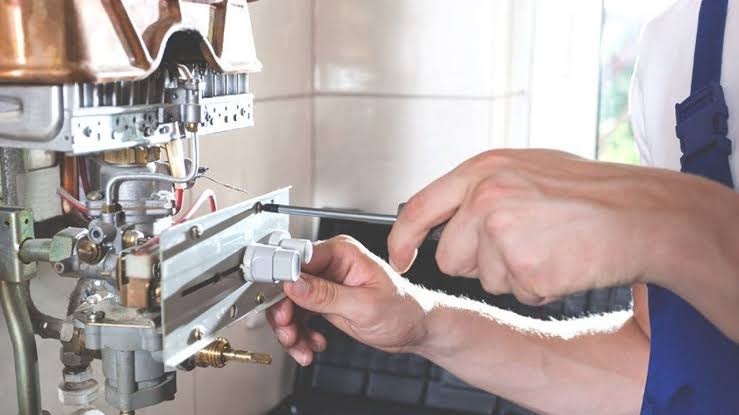
When boiler repair is required, this information can help technicians understand how the system was operating before the problem occurred. Historical performance data may provide useful clues and help professionals diagnose faults more efficiently.
Predictive maintenance can also allow homeowners to address problems before they lead to a complete heating shutdown.
Boiler problems often provide warning signs before a major failure occurs. Homeowners should pay attention to unusual noises, inconsistent heating, frequent cycling, pressure changes, water leaks, unusual odors, or unexplained increases in energy consumption.
Cold areas within the home may indicate circulation or control problems. Repeated pressure issues can also suggest that the system requires professional attention.
Ignoring these symptoms may allow a developing problem to become more serious.
A professional inspection can determine whether the issue involves controls, circulation, electrical components, the heat exchanger, pressure, or another part of the system.
Smart thermostats are becoming increasingly important in residential heating. Modern devices can learn household schedules, detect occupancy, connect to smartphones, and provide energy-use information.
When properly integrated with compatible boiler systems, smart thermostats can help homeowners manage heating schedules more efficiently.
Remote access also allows users to adjust temperature settings while away from home.
Some smart systems can provide notifications when unusual temperature changes occur, giving homeowners an opportunity to investigate potential problems before they become severe.
Boiler systems can support several forms of hydronic heating, including radiators, baseboard heaters, and radiant floor systems.
Radiant floor heating has become increasingly attractive in new construction and remodeling projects because it distributes heat across a large surface area.
Modern controls can divide hydronic systems into separate zones, allowing different areas of a property to maintain individual temperatures.
Zone control can improve comfort while reducing energy use in areas that are not occupied.
Environmental considerations are influencing heating technology throughout 2026. Manufacturers are focusing on equipment efficiency, lower emissions, improved controls, and integration with renewable energy technologies.
Heat pumps are gaining attention as an alternative heating technology, but boilers remain useful in properties with established hydronic infrastructure or specific heating requirements.
Hybrid systems can combine different technologies to use the most appropriate heating source depending on outdoor conditions and energy demand.
Although smart technology can improve monitoring, professional maintenance remains an important part of boiler ownership.
A qualified technician can inspect combustion components, electrical connections, circulation equipment, pressure controls, safety devices, heat exchangers, and other system components.
Routine maintenance can also help identify wear before it develops into an emergency.
Homeowners should never attempt to repair combustion, gas, electrical, or safety-related components without appropriate training and authorization.
Boiler systems are becoming more efficient, connected, and responsive. Condensing technology, smart controls, predictive diagnostics, zoning, and improved system integration are helping modern heating systems deliver more precise performance.
Throughout 2026 and beyond, homeowners can expect greater integration between boilers, smart thermostats, energy-monitoring platforms, and other building technologies.
When boiler repair is addressed promptly and combined with regular preventative maintenance, homeowners can improve the reliability and longevity of their heating equipment.
The future of residential heating is not simply about generating more heat. It is about delivering the right amount of heat at the right time while minimizing energy waste. Modern boiler technology is increasingly designed around that principle, providing homeowners with greater comfort, efficiency, and control.

This post has been authored and published by one of our premium contributors, who are experts in their fields. They bring high-quality, well-researched content that adds significant value to our platform.










Dutables provides reliable educational resources, study materials, academic guides, and learning content to help students and educators succeed.